
How tactile sensing can provide comfort and fit to electronics users

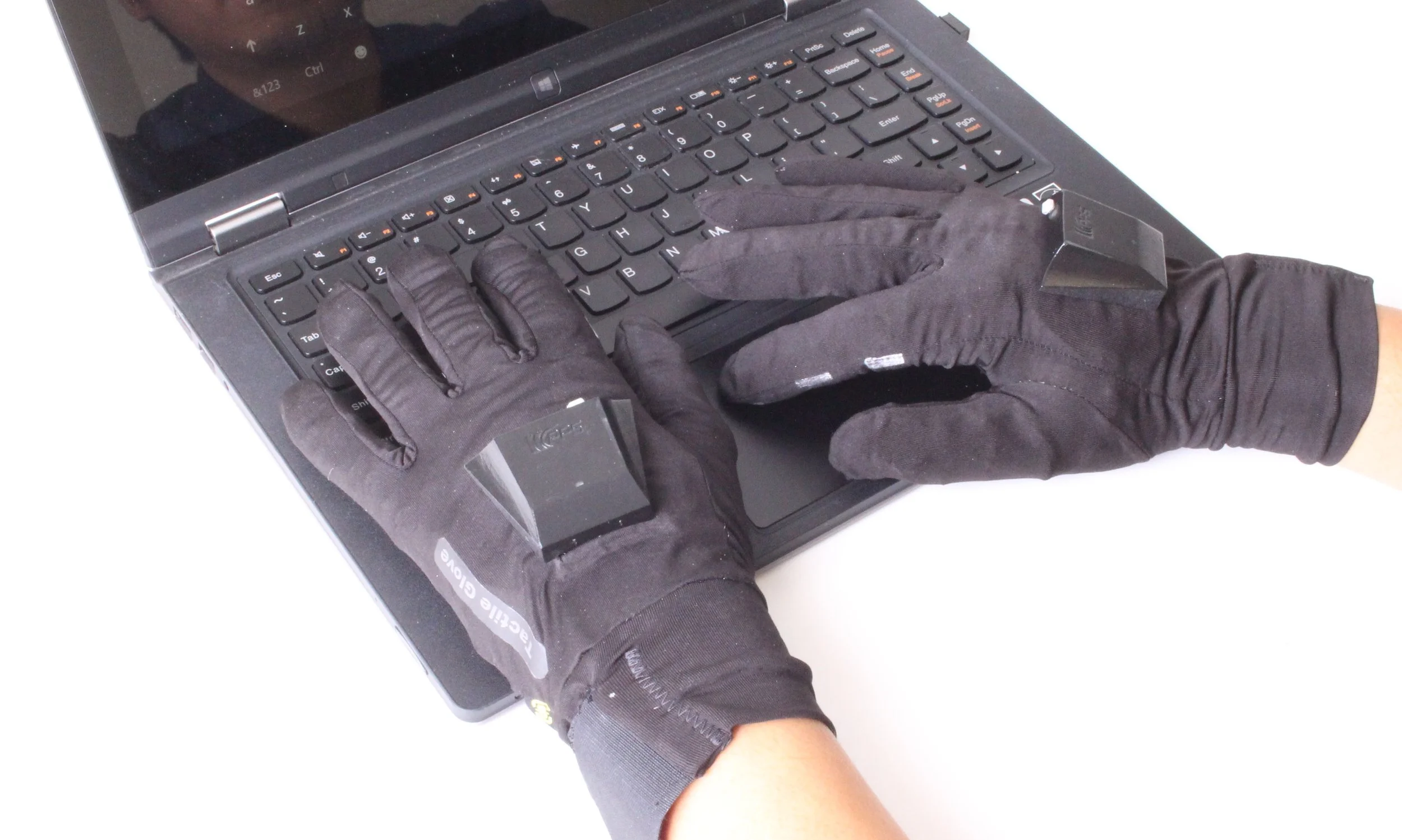
In embedded electronics, wearables and medical devices, human-device interaction is just as significant as battery life or processing speed. Poor fit can lead to device abandonment, non-compliance in medical settings, irritation or injury. Yet ergonomics is rarely quantifiable in early-stage design, leading to reliance on subjective feedback, or ‘trial and error’
As electronics become more integrated into modern life, designers must optimise for how devices are worn and used, not just what they do. Human-centred design is becoming increasingly critical across consumer wearables, industrial tools, surgical equipment, and AR/VR systems. These products interface with the body, so ergonomic issues can affect how comfortable they are to use and whether people want to use them.
Traditional fit testing is a subjective process often influenced by human bias and user perception. Today, device design can be driven by data instead of relying on anecdotal evidence. Pressure and force-sensing data can be embedded into prototypes or testing rigs to measure contact forces in real time, while engineers can visualise how a device interacts with the body and investigate pressure hotspots and gradients, fit variability, or any movement issues associated with the device.
By utilising embedded capacitive sensors in testing or in-field settings, developers can capture high-resolution data on how force is distributed across contact surfaces.
Deloitte’s 2021 Connectivity and Mobile Trends survey found that 39% of wearable users stopped using their devices because they were uncomfortable, underscoring the significance of comfort and fit for long-term use. With sensor-based testing, potential issues can be addressed earlier in the design process, improving user adoption.
Continue…