
Tactile Glove II: Hand Pressure And Force Measurement
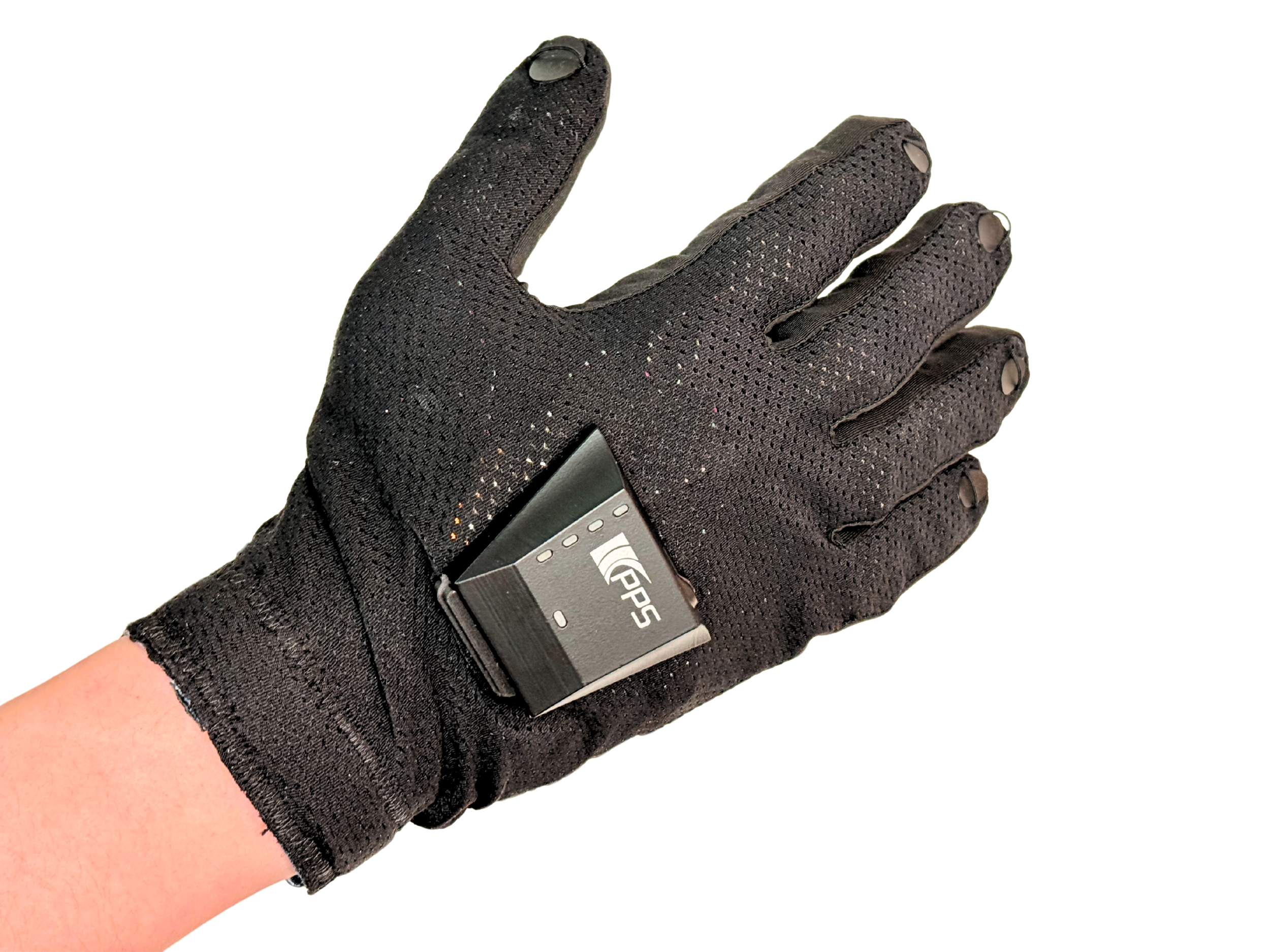
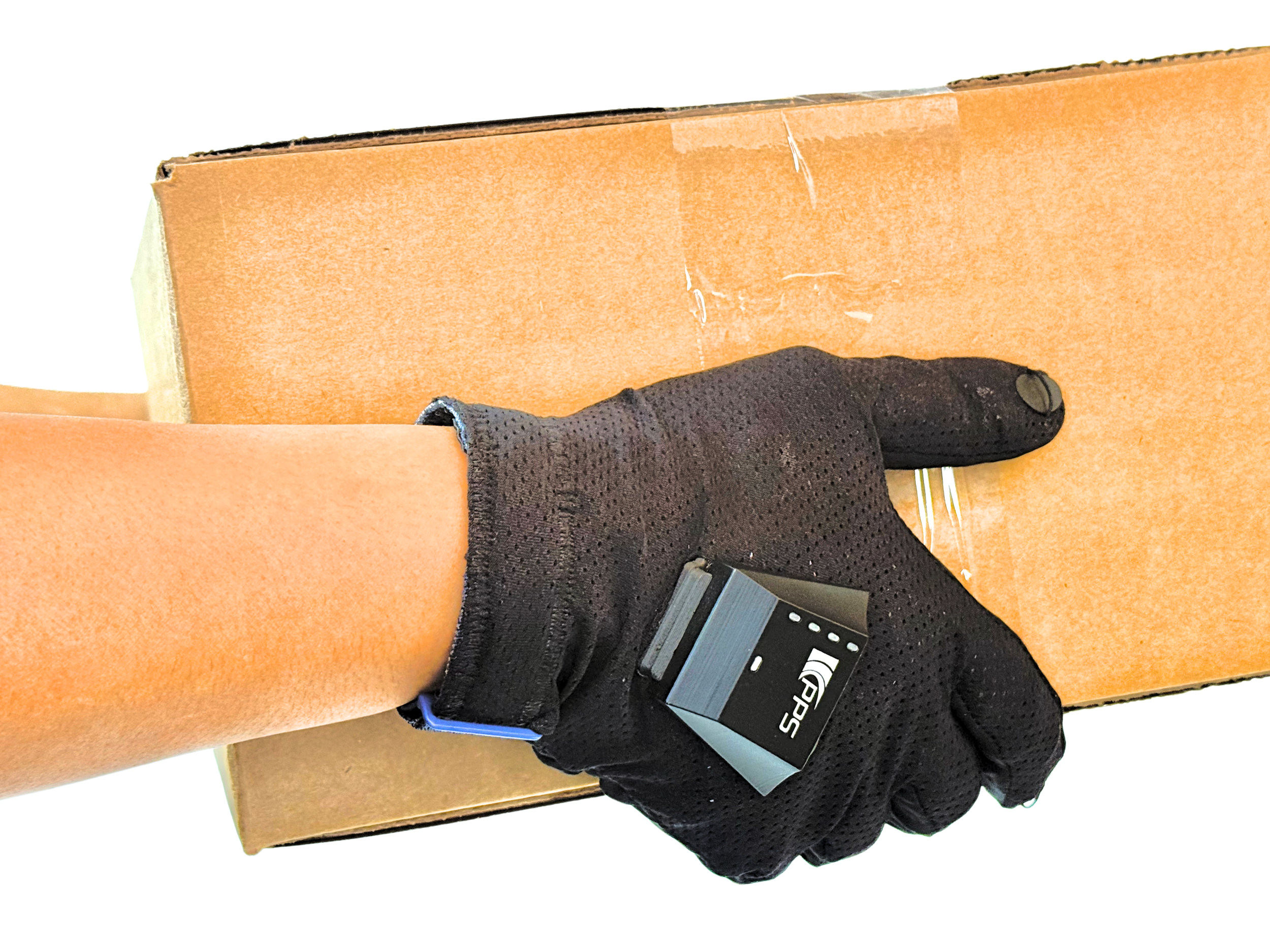
The PPS TactileGlove II is a tactile pressure sensor glove system designed for accurate and repeatable pressure and force measurement across the hands, fingers, and palms. With 65 embedded tactile sensors throughout each glove, users can monitor hand movements and grasp forces naturally and in real time, even during complex or repetitive tasks.
TactileGlove II builds on real-world use with a reinforced internal design and refined glove construction to improve durability, fit and reliability in repeated testing.
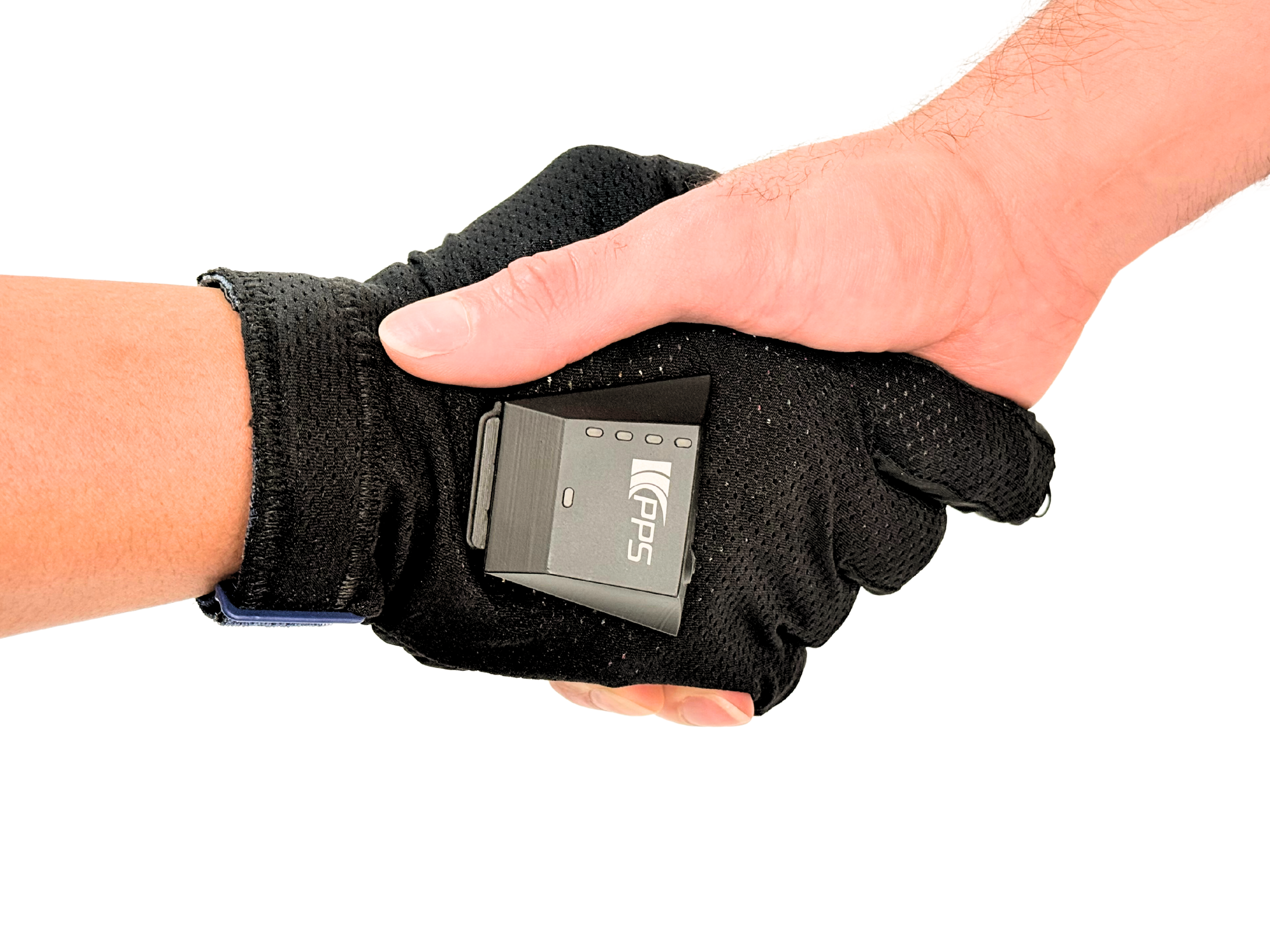
This capacitive pressure sensing and mapping system allows researchers and engineers to accurately measure pressures applied to and exerted by the hands during various tasks. The wireless and battery-powered design creates an organic test environment, enabling full range of motion and ensuring the gloves do not impede natural hand motion. As the only glove sensor system on the market offering this level of flexibility, it supports high-resolution data collection with visual feedback that reflects real-world activities and interactions.
Sensor Glove Features:
Designed to ensure a natural test environment using a flexible, wireless sensing glove system
Provides the comfort and mobility of regular gloves with no adhesives or obstructive wiring
High-resolution tactile sensors detect even low pressures (0.1 oz / 3g)
Battery-powered with Bluetooth 5 connectivity for improved speed and reliability
Refined glove construction for improved fit and object interaction.
Improved donning and removal with reinforced pull tabs and dedicated removal tool
Available as a pair (Left + Right) or individually to suit different applications
Sizes available in Small, Medium, Med-Large and Large. See sizing chart See sizing chart

Product Description
The TactileGlove II is a breakthrough in wearable sensor technology, combining flexibility with advanced force and pressure sensing. With 65 individual sensors embedded across critical sensing areas of each glove, the system provides reliable data on finger, palm, and grip pressures during use. This allows users to track how the hands interact with objects, tools, and devices with exceptional accuracy.
Data from the TactileGlove pair is captured via Chameleon 2026 Software, which provides both numerical readings and visual representations of hand forces and contact points. The ability to capture tactile interactions supports deeper insight into hand movement, touch precision, and user response to physical interactions. This allows for real-time analysis, ergonomic assessment, and system feedback across a wide range of applications including tool design, rehabilitation, and human factors research.
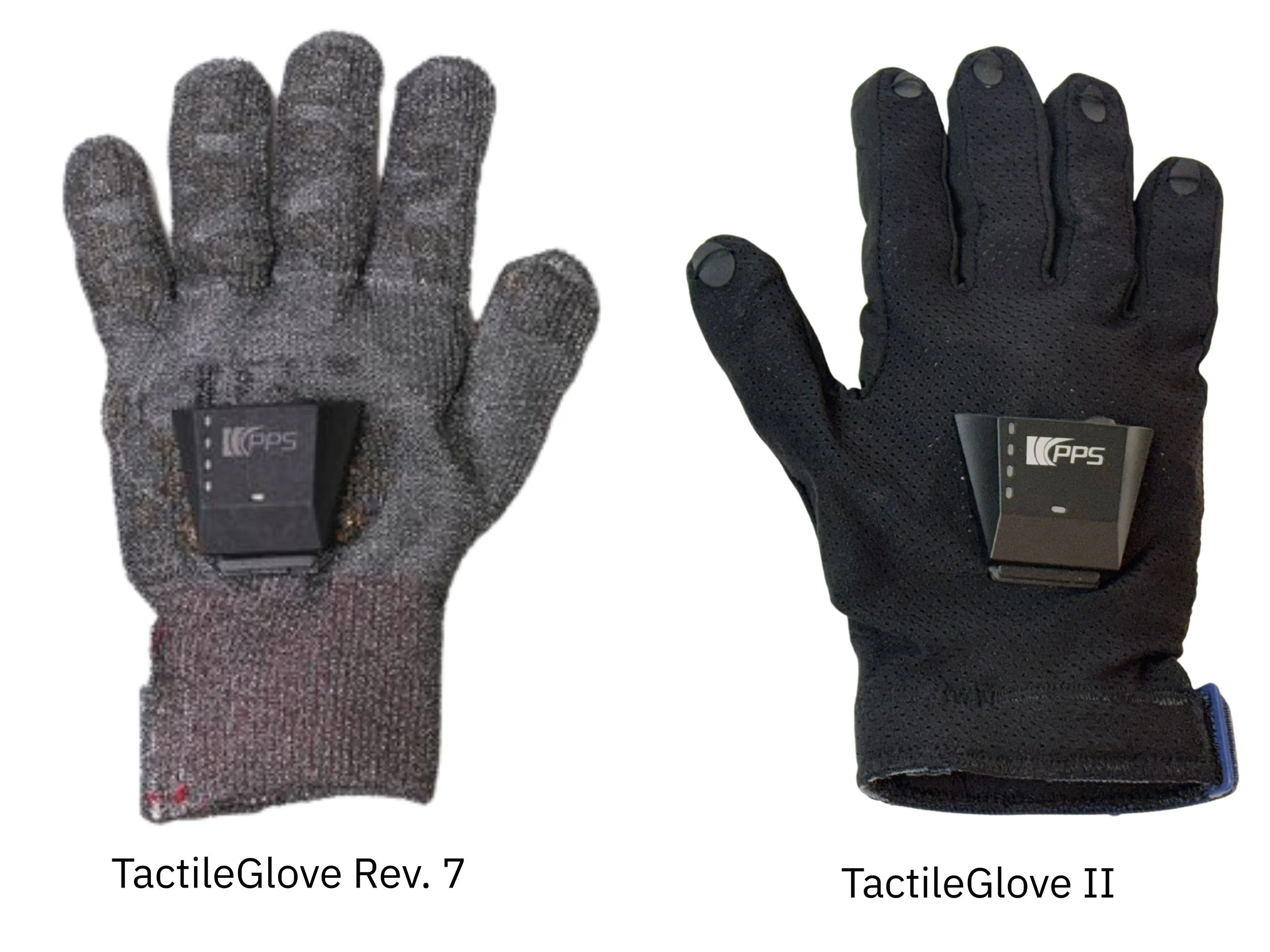
What’s New in TactileGlove II
TactileGlove II builds on real-world use and years of customer feedback, with targeted improvements to durability, usability and system reliability.
Reinforced internal design - Stronger solder pads, added mechanical stiffeners and improved strain relief reduce common failure points during repeated use
Durability for demanding use - Improved resistance to handling, donning/doffing and extended testing cycles
Glove construction and fit - Smoother outer surface and improved sizing for more consistent fit and natural interaction with objects
Slit placement - Moved to the thumb side to reduce stress during use and improve comfort and longevity
Removal process - Reinforced pull tabs and a dedicated removal tool help minimise damage during glove removal
Bluetooth 5 connectivity - Faster, more reliable data transmission for smoother real-time capture
System configuration - Now available as a pair or individually to better suit different applications
Applications
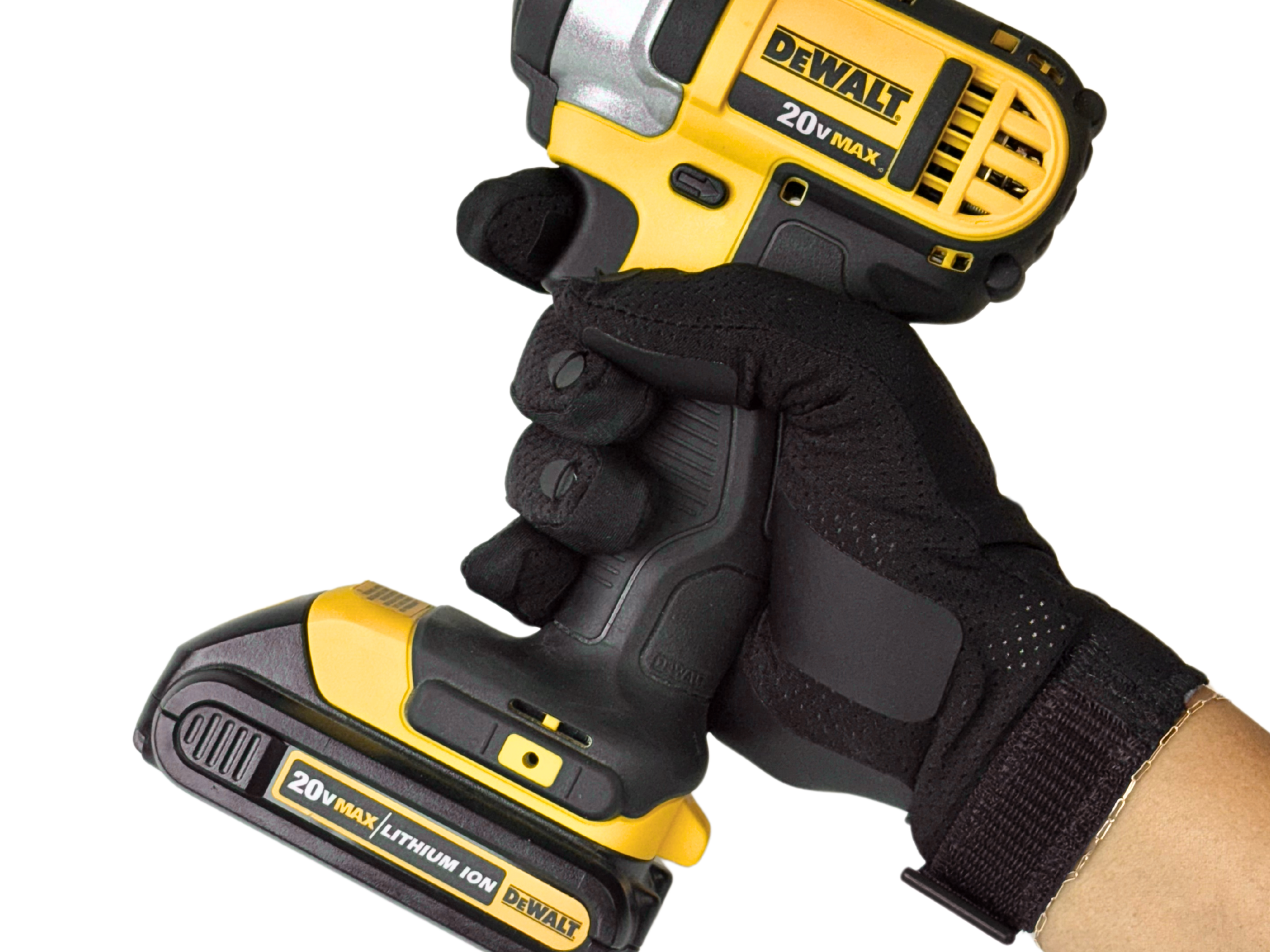
Understand and optimize worker exertion while performing hand actions. Measure force and exertion required to cutting metal with shears, strip wire, perform fine assembly tasks, and more. Understand points of high exertion within your process, and optimize your labor force to reduce potential injury.
Manufacturing Safety & Workers’ Comp Assessment:
Understand work-related tasks that involve high hand forces to help prevent injury
Visualise stress points to optimise task performance and reduce injury risk
Determine grip force used in repetitive tasks such as shearing, wiring, or fine assembly
Analyse fine motor grip force in precision tasks like dental or surgical tool use
Assess whether tool modifications reduce user effort and improve ergonomics
Quantify hand strength to support rehabilitation and return-to-work evaluations
Product Ergonomic Design:
Quantify natural grasp forces across the hands and fingers
Determine upper and lower limits of forces generated by the hand
Quantify effort to use tools for human factors & ergonomic designs
Correlate “feel” of a product in response to controlled design changes
Analyse differences in hand interactions between competing product designs
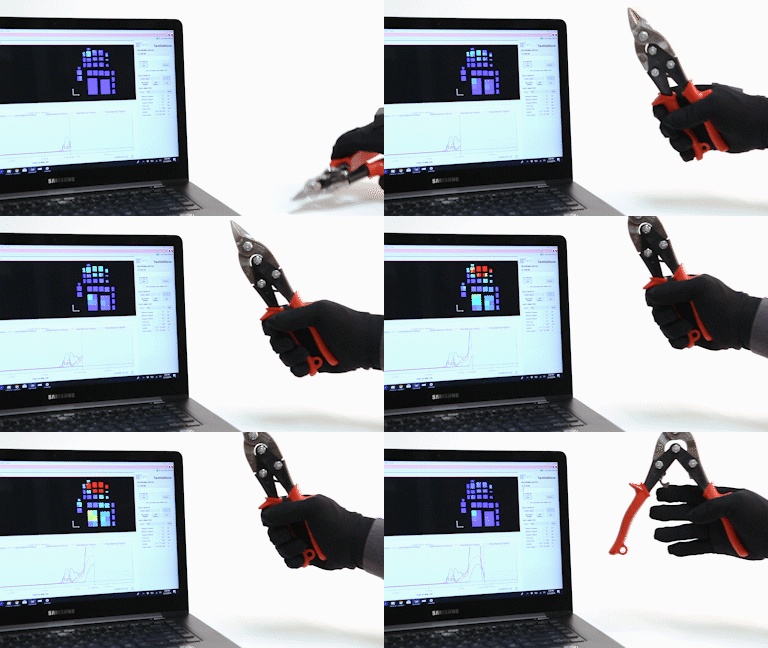
Grip Force In Shear Usage
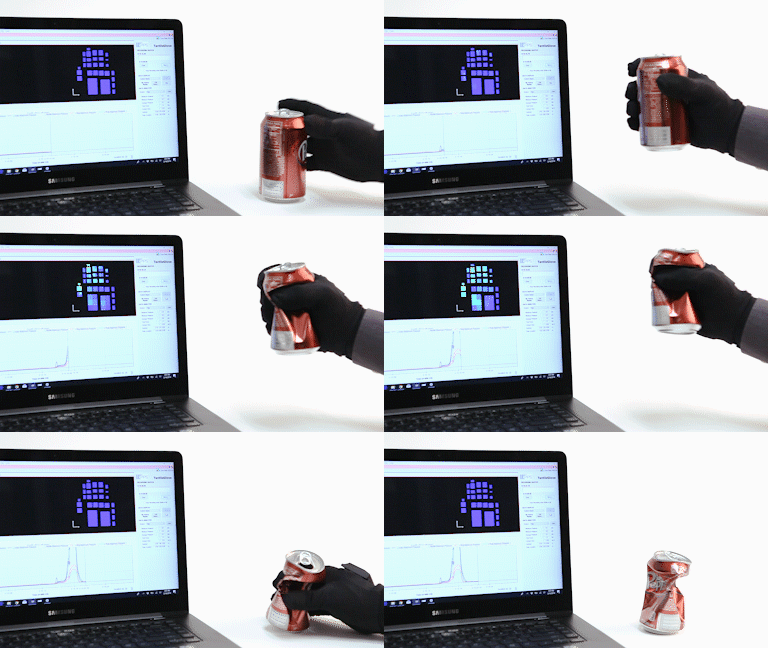
Quantify Grip Force

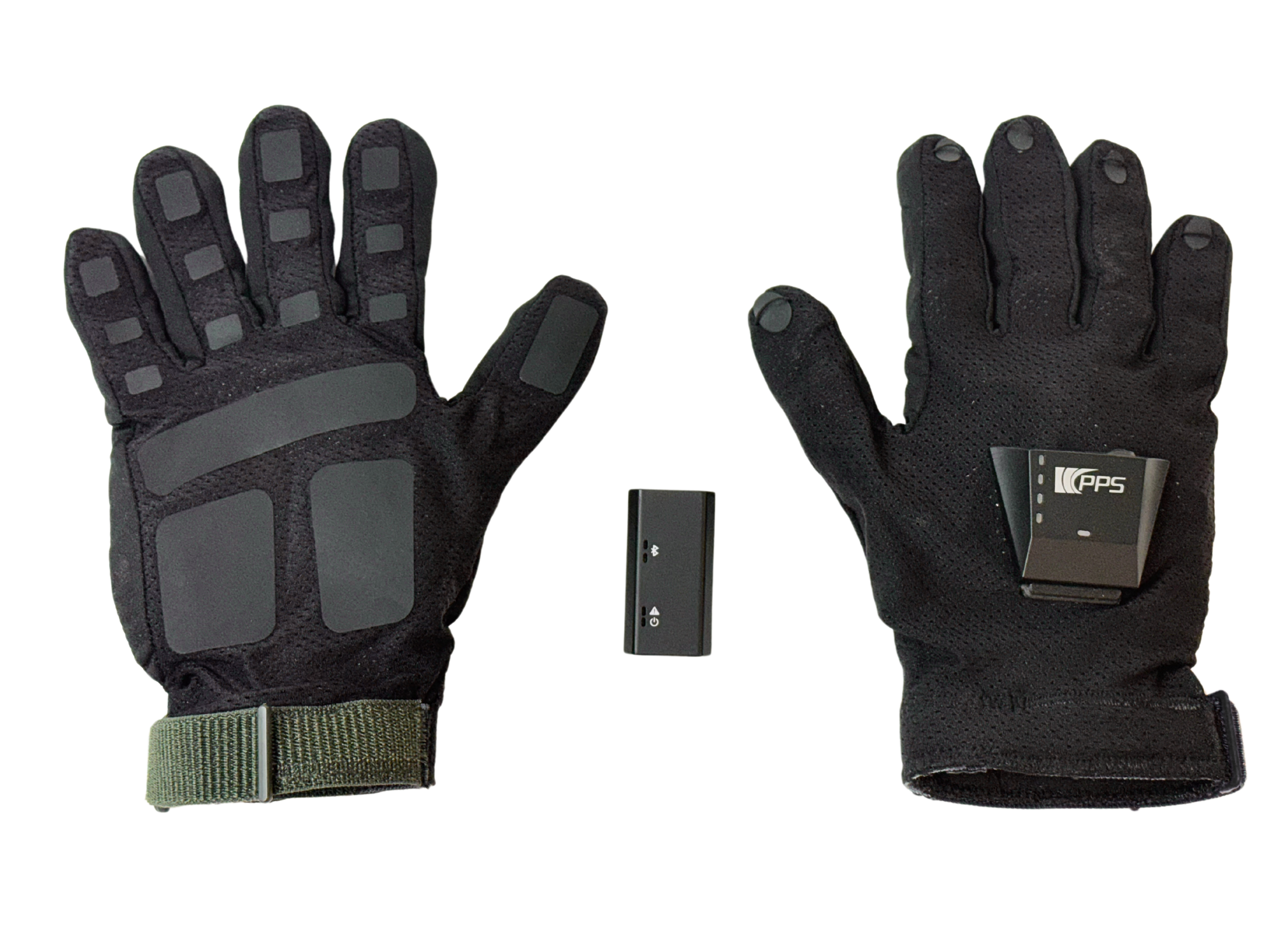
TactileGlove II System Components
TactileGlove II (or a pair)
Bluetooth 5 Module and Housing
Bluetooth 5 USB Dongle
USB Charging Cable

Inside the tactile gloves
Sixty-five (65) sensing elements embedded within the glove enable accurate pressure mapping across the most important areas of the hand.
Tactile Glove System Specifications
Glove Sensor Specifications
| Sensing Elements | 65 elements of 5.0 mm × 6.0 mm |
| Full Scale Range | 80 psi (55 N/cm²) |
| Maximum Force | Thumb & Finger tips - 70 N Pinky tips - 28 N |
| Thickness | ~ 2.6 mm |
| Signal-to-Noise (SNR) | > 500:1 |
| Gain Non-Repeatability | <3% |
| Linearity | > 98% |
| Minimum Sensitivity | 0.04 N |
Electronic Specifications
| Scan Rate | 100 Hz Single or 50 Hz Pair |
| Interconnection | Wireless Bluetooth 5 Minimum 5 m range |
| Battery Life | > 2 hours |
| Operating Temperature | 5°C to 40°C (static environment) |
EXAMPLES
RESEARCH ARTICLE - Computer vision and tactile glove: A multimodal model in lifting task risk assessment - September 2025 - IEEE Applied Ergonomics
RESEARCH ARTICLE - Data-Driven Ergonomic Risk Assessment of Complex Hand-intensive Manufacturing Processes - March 2025 - IEEE Communications Engineering
WHITE PAPER - Interpreting TactileGlove Data for Practical Use Cases - Published 2024
WHITE PAPER - Quantifying Hand Ergonomics With The Tactile Glove - Published 2021
RESEARCH ARTICLE - Investigating Gripping Force During Lifting Tasks Using a Pressure Sensing Glove System - February 2023 - Science Direct Applied Ergonomics - Download
RESEARCH ARTICLE - Identification of Adaptive Driving Style Preference through Implicit Inputs in SAE L2 Vehicles - November 2022 - Honda Research Institute USA, Inc - Download
RESEARCH ARTICLE (in Japanese) - Measurement and Assessment of Touch Skills during Dementia Care Movements Using Tactile Gloves - 2020 - Kyushu University
SUCCESS STORY - Purdue Uni Research Project Assesses Lifting Injury Risks using PPS TactileGlove - May 2025
Frequently Asked Questions
How to safely remove TactileGlove II using the tool provided.
How does the TactileGlove II support realistic haptic feedback and tactile interaction analysis?
The TactileGlove captures detailed tactile interactions and pressure responses across the hand, making it ideal for studying how users physically interact with objects. Its ability to detect subtle changes in force and motion enables realistic haptic feedback modelling and supports accurate evaluation of physical skills in simulation, training, and design applications.
What is the minimum force sensitivity and mass that the TactileGlove II can detect?
The minimum force that each individual force sensing glove fingertip element (38 mm²) can detect is 0.04 N.
Is the TactileGlove II waterproof?
No, the TactileGlove II is not waterproof. However, a custom skin can be added at extra cost.
Does the TactileGlove II stretch to accommodate variations in hand size and shape?
The four glove sizes are carefully designed to cover natural hand sizes across a broad spectrum. Please choose the correct size based on your hand dimensions.
Does the TactileGlove II measure pressure or force?
The TactileGlove II is calibrated in units of pressure (i.e., psi or N/cm²). Force values are calculated using the known area of each sensor element.
Can the TactileGlove II detect fast impact loads?
We do not recommend using the TactileGlove II for impact applications.
How often does the TactileGlove II require calibration?
The capacitive based sensing modality of PPS sensors results in an extremely stable sensor with superior reliability and repeatability. With proper use and care, the TactileGlove II should retain its calibration for years.