
Conformable TactArray (CTA)
A FLEXIBLE PRESSURE SENSOR FOR ACCURATE PRESSURE MAPPING ON CURVED SURFACES
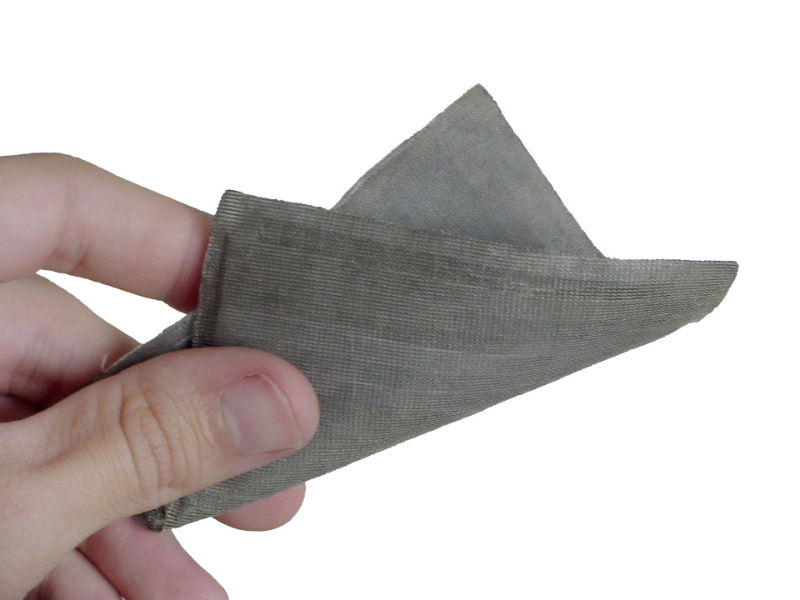
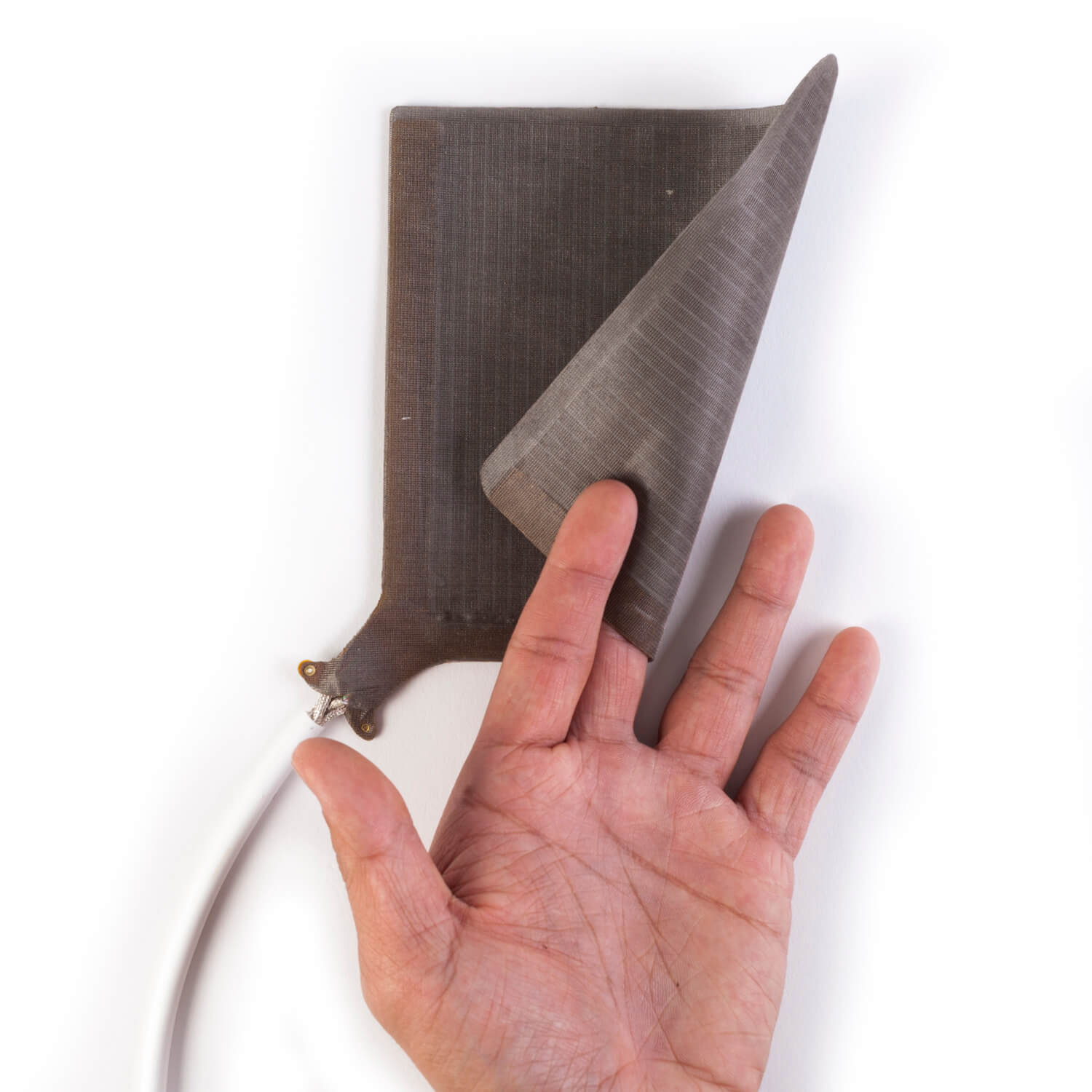
The Conformable TactArray (CTA) is a flexible pressure sensor built from soft, conductive cloth, less than 1 mm thick, that captures pressure distribution between two objects in direct physical contact. It can accommodate varying degrees of curvature and output accurate, repeatable data even while wrapped around irregular shapes, making it a practical choice for wearable, textile, and other soft-surface applications where a rigid sensor can't conform.
Key Features and Benefits:
Maintain high-resolution and capture quality data even around complex shapes
High resolution, sensitivity, and repeatability allow for consistent capture of accurate data
The sensors can capture a minimum sensing pressure of 15 mpsi
Save time and improve results through repeatable accuracy and less recalibration time needed
Available in a wide range of size configurations, pressure ranges, and resolutions
Comes standard with the powerful Chameleon Visualization Software
Description
TactArray Systems capture pressure distribution between two objects in direct physical contact. By placing TactArray flexible sensors between objects, wrapping them around shapes, or applying them to a flat surface, product developers and researchers can measure and visualize pressure information in their applications.
PPS's Conformable TactArray (CTA) is the only soft, flexible pressure sensor on the market offering high sensor performance on multi-curved surfaces. Unlike typical resistive tactile sensor technologies, PPS's capacitive sensing delivers roughly twice the repeatability and about 100 times better minimum pressure detection. The system comprises a sensor, electronics, and visualization software. The conformable sensor is constructed from soft, flexible conductive cloth that captures pressure changes as low as 15 mpsi with high accuracy, even when wrapped around complex geometries, and is available in a wide range of size configurations, pressure ranges, and resolutions for your custom application.
Conformability
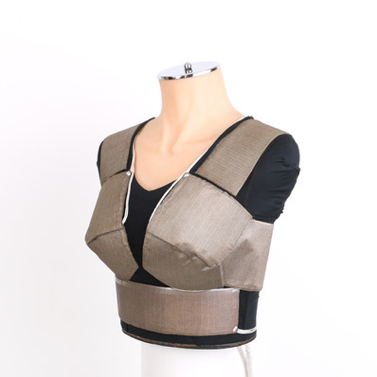
Constructed from soft, conductive cloth, the Conformable TactArray (CTA) is a flexible pressure sensor built as a capacitive sensor array that accommodates varying degrees of curvature. As a standalone sensor, it conforms to simple curvatures; PPS can also custom-build it for mounting on compound, multi-curved surfaces. Standalone, the soft, textile surface of the CTA is suited to human skin contact, and is often integrated into a stretchable cloth band or a mask.
For applications on a flat or simply-curved, product-integrated surface instead, see the rigid Industrial TactArray or the cloth-topped Hybrid TactArray.

Key Features:
Available in a range of active area configurations — see the sensor catalog for exact options.
Sensing element resolution: 2 x 2 mm to 10 x 10 mm
Available in full scale pressure ratings of 2.5, 5, 10, 20, 40, and 80 psi.
Can be used in environments with temperatures between –20°C and 100°C
Capturing pressures as low as 15 mpsi (0.015 psi).
Thin construction (<1.0 mm thick)
Example Applications:
As a standalone sensor, the CTA can accommodate simple curvatures. In this format, the cloth-like surface of the CTA is suitable for human skin contact and is often integrated into a stretchable cloth band or a mask, making it a practical wearable pressure sensor for body-contact use. For compound or complex substrates, the sensor can be custom-built and molded onto the complex surface without compromising data quality.
Measuring contact pressures between wearable devices and the human body, as a body pressure sensor for fit and comfort testing
Very low-pressure applications, such as compression stockings and other textile pressure sensor use cases
Comfort and fit assessment of Helmets, Goggles, Glasses, VR AR equipment
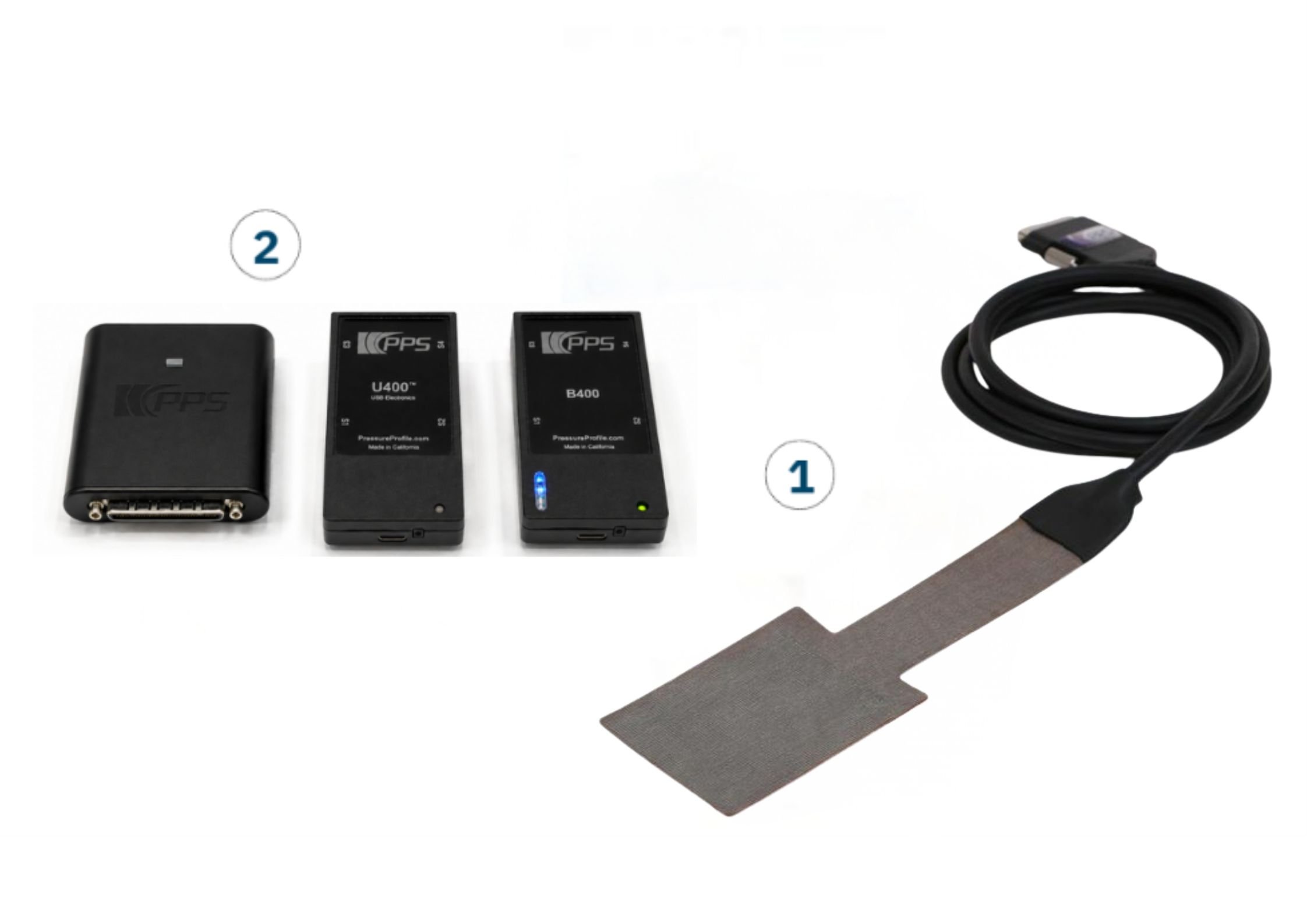
CTA System Components
Conformable TactArray Sensor
System electronics (T5000, U400, or B400, matched to your sensor design)
Chameleon Visualization Software
Conformable TactArray system specifications
CTA Sensor Specifications
| Pressure Range | 2.5, 5, 10, 20, 40 & 80 psi |
|---|---|
| Thickness | 1.0 mm |
| Minimum SNR | 300:1 |
| Min. Sensitivity | 15 mpsi |
| Linearity | 99.8% |
| Gain Non-Repeatability | <3% |
| Element Size | 2×2 mm – 10×10 mm |
| Active Area | Refer to Sensor Drawing |
| Bend Limit (Care) | 19 mm radius (1.5" diameter) |
Electronic Specifications
| Sampling Rate | 100 Hz |
|---|---|
| Interconnection | Bluetooth or USB |
| ADC Resolution | 12 bit |
| Input Voltage / Power | 5 V / 2 W |
| Operating Temperature | -20 ˚C to 100 ˚C (static) |
| Cable Length | 59 in (1.5 m) |
Frequently Asked Questions
Can the Conformable TactArray be used for stretchable, cloth-based applications?
Yes. The CTA's soft, conductive-cloth construction already conforms to curved and multi-curved surfaces, and it's commonly attached to stretchable cloth bands, masks, and other cloth-based wearable assemblies, combining PPS's sensing accuracy with a stretchable garment or band construction.
Is the Conformable TactArray waterproof?
Not by default. Removable waterproof sheaths or full encapsulation are available for applications where moisture is unavoidable; talk to your PPS engineer about options for your application.
How often does the CTA need recalibration?
Sensors ship factory-calibrated, and further calibration generally isn't required. Some customers choose to recalibrate monthly or annually as routine practice, and sensors mounted and removed frequently need more regular recalibration than ones left in place.
Can the CTA be custom-shaped or sized?
Yes. Off-the-shelf configurations ship in about 2 weeks; a fully custom shape or size usually takes 4 to 6 weeks from design approval, longer for especially complex designs.
What electronics does the CTA use?
It depends on the specific sensor design. Some CTA configurations are built for the 400-series (U400/B400); the T5000 external module is particularly well suited to CTA's more flexible constructions, where embedding electronics directly on the sensor isn't practical. Your PPS engineer will walk you through the right fit for your application.