
Why Physical AI Needs More Than Machine Vision

HAWTHORNE, Calif. — As robotics engineers work to give robots greater dexterity, Pressure Profile Systems (PPS) is developing tactile sensing technology designed to capture something machine vision cannot: how objects feel when they are touched and manipulated.
PPS, which is celebrating its 30th anniversary this year, was founded in 1996 by Dr Jae Son after he completed a Harvard thesis titled “Integration of Tactile Sensing and Robot Hand Control.”
“The accelerating demand for physical AI is now making touch the next problem to solve,” said Son. “Cameras can show where a hand is but not how firmly it grips, where it makes contact, or when an object starts to slip. That missing touch data is what PPS has spent three decades learning to measure.”
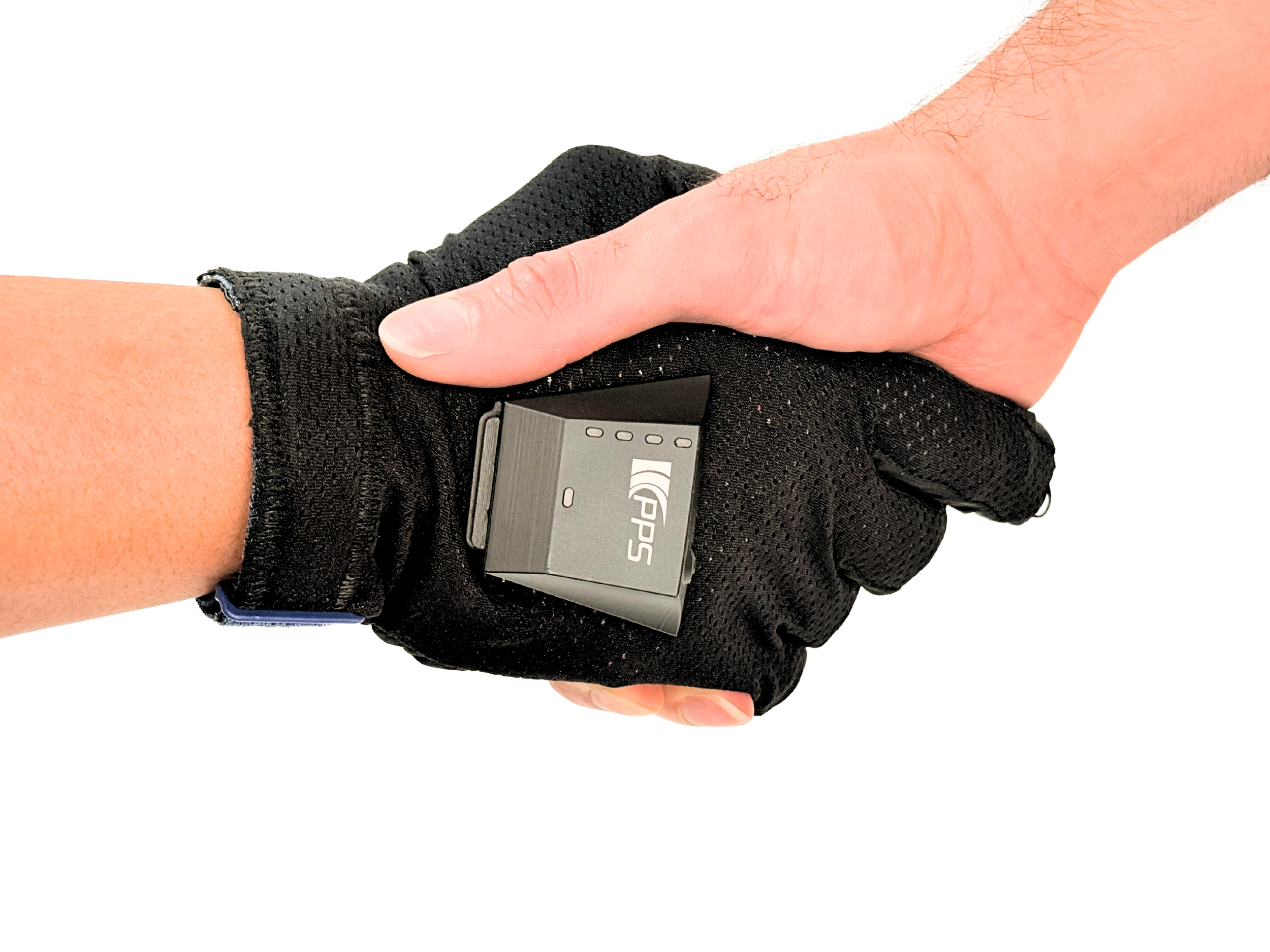
The company is using three technologies to connect human touch data with robotic manipulation. TactileGlove II records how a human hand applies force across its surface, while Chameleon software captures that information in synchronization with video for export to analysis and AI tools. On the robot side, the company’s RoboTact tactile sensing platform measures contact location, area, force, vibration and incipient slip. PPS says pairing TactileGlove II with RoboTact has enabled it to equip anthropomorphic, five-finger robotic hands with equivalent touch sensing.
“Picking up a paper cup without crushing it is something we learn as children and never think about again,” Son said. “Pressure is a scalar. Force is a vector. Tactile is a matrix array. Robots need that full array of touch to manipulate real-world objects and engage with the world the same way people do.”
PPS traces its robotics work to early research with MIT and sensors incorporated into commercial robotic grippers by 2008. The company says its sensors have been used in more than 170 peer-reviewed studies.